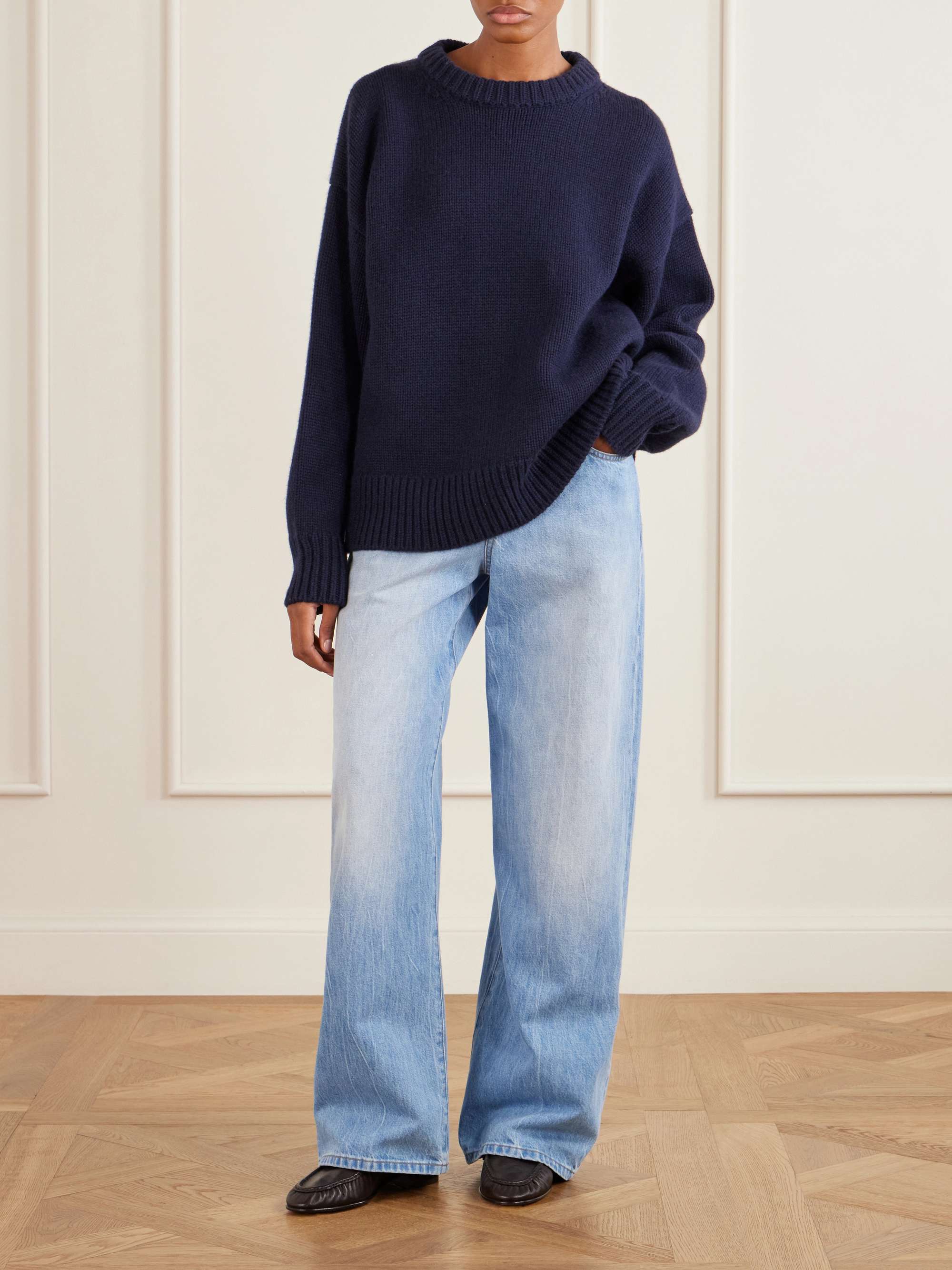
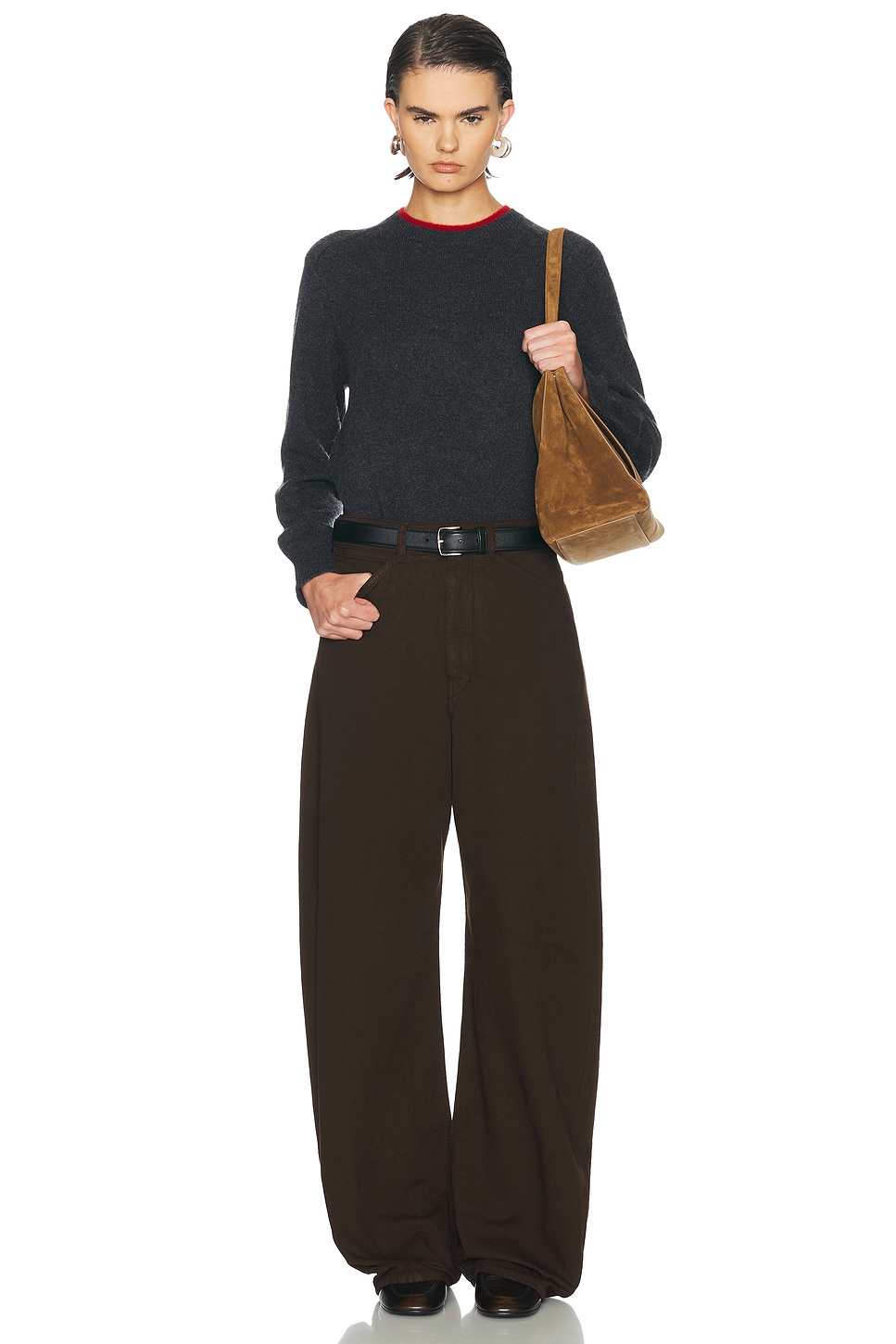
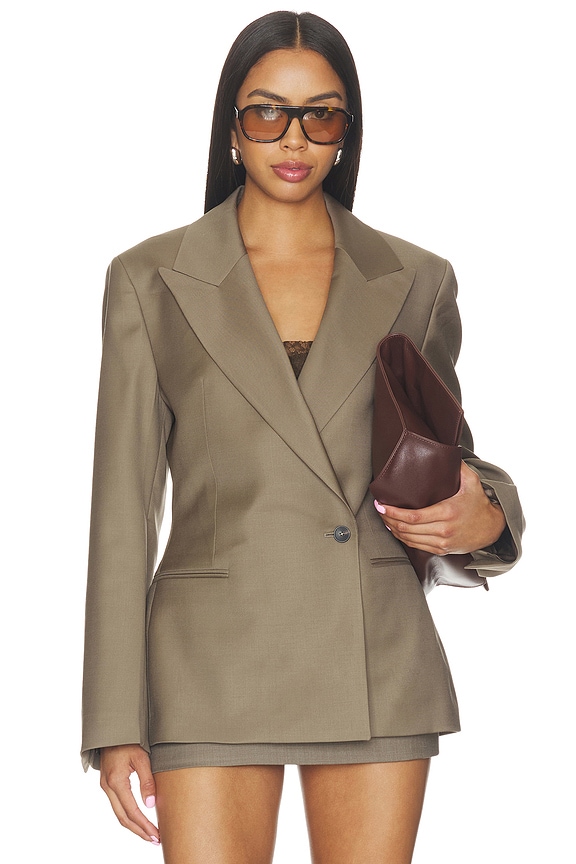
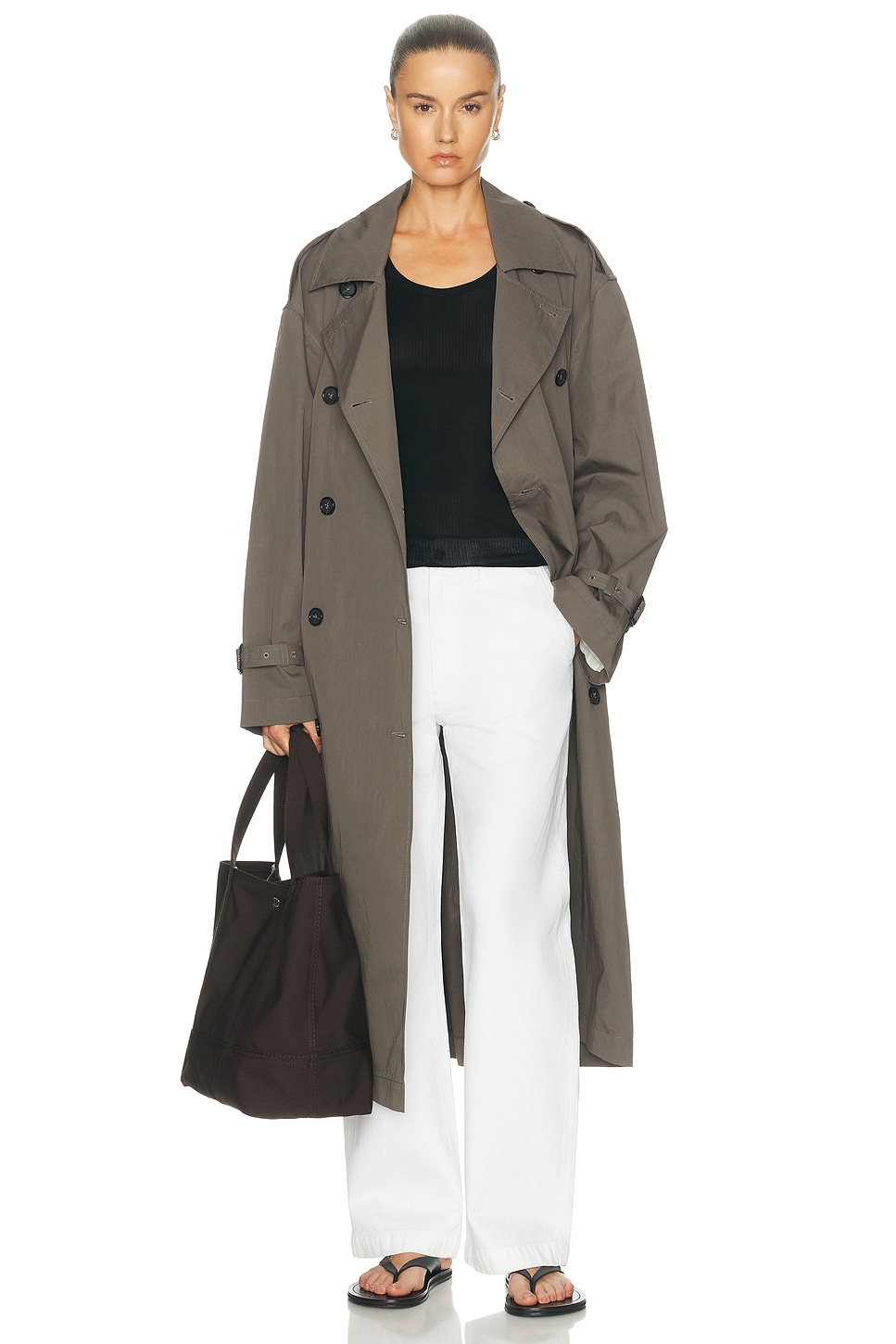
First: What Actually Makes Something Timeless?
"Timeless" gets used interchangeably with "basic," but they are not the same thing.
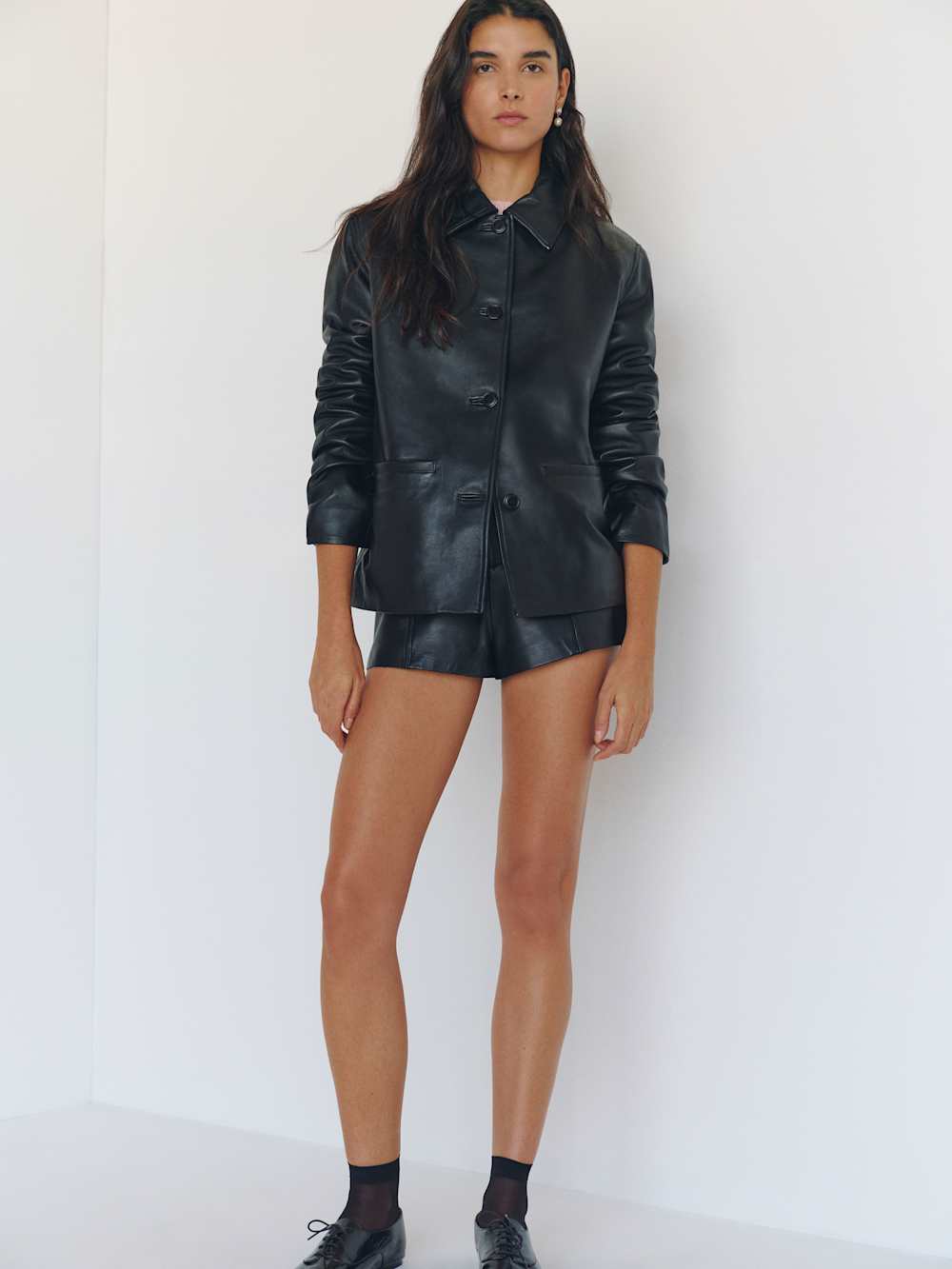
A timeless wardrobe can include an oversized leather jacket, a beautifully cut skirt, a striped shirt, or a slightly unexpected pair of flats. The more useful question is whether you can imagine still wanting to wear the piece several years from now.
Generally, the clothes with the longest lives have a few things in common:
- The silhouette is not dependent on one hyper-specific trend.
- The fabric feels substantial enough to wear repeatedly.
- The color works with several things you already own.
- The piece can be styled in more than one context.
- It fits your actual life rather than the imaginary life you occasionally shop for.
That last one matters. If you work from home and spend your weekends going to dinner, you probably do not need four pencil skirts and three pairs of corporate pumps just because they are technically classic.
Your capsule should reflect the places you actually go.
1. Establish Your Color Palette
You do not need to restrict yourself to neutrals, but choosing a loose color palette makes a capsule wardrobe dramatically easier to style.
Start with two or three foundation colors. Black, navy, chocolate brown, cream, camel, gray, and white are obvious choices because they work with almost everything. Then add the colors you naturally gravitate toward.
Maybe that is burgundy and powder blue. Maybe it is olive and red. Maybe you genuinely wear almost nothing but black.
The point is not to create rules. It is to notice patterns. If 80 percent of your wardrobe works together, getting dressed becomes significantly easier.
2. Start With the Everyday Foundation
Before tailoring, statement coats, or perfect shoes, there are the pieces you reach for without thinking. These are the quiet workhorses of a capsule wardrobe.
A great T-shirt is one of the best examples. It can anchor denim, soften a blazer, sit underneath a sweater, or make a more directional trouser feel effortless.
The difference between a useful basic and an almost-right basic usually comes down to fabric and proportion.
|